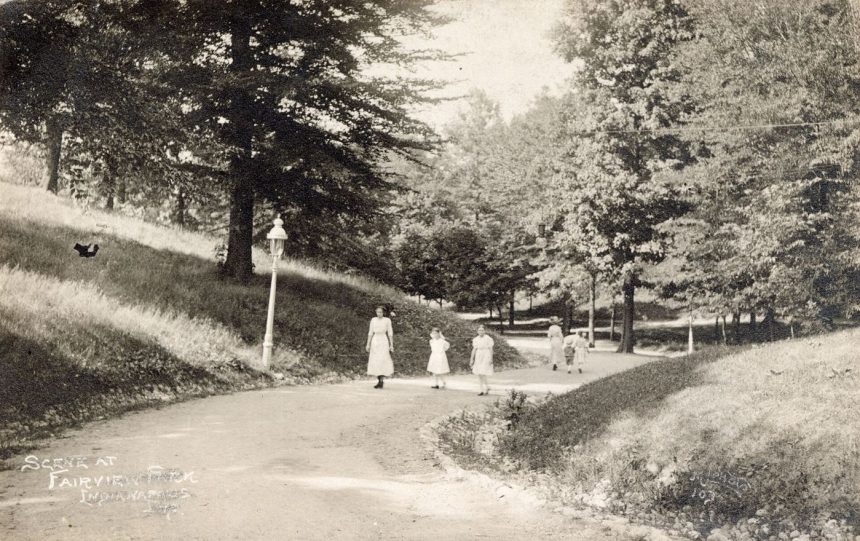
Clearly marked walking loops are appearing in parks across the city, giving beginners a simple way to build a daily habit without tracking apps or gym memberships. Each loop is signposted at the entrance with its distance, estimated time and surface type, so walkers can choose a route that matches their confidence and the weather. Short loops stay close to cafes and toilets, while longer circuits link woodland edges and riverside stretches for people who want a bigger challenge. Health workers say the idea works because it removes guesswork, which is often the hardest part of starting a new routine. Regular walkers have also taken to the loops, using the markers as meeting points for informal groups at lunchtime and after work. Park staff say the signs cost little compared with major facilities, yet they help visitors discover corners of familiar parks they had never explored before. Route designers say a loop that can be finished in fifteen minutes is the one most likely to become part of a weekday routine.
What the Evidence Shows
Organisers say the next step is adding seasonal notes to the route boards, highlighting when paths may be muddy, icy or especially busy during events. Walking groups for new parents, shift workers and people returning from illness are being planned around the shortest loops first. Specialists following marked park walking loops note that gentle, repeatable routes suit people who find ambitious fitness targets discouraging. Benches along each circuit double as rest points and social spots, which regulars say matters as much as the exercise itself. The scheme will be reviewed after a full year of use. Local walking charities say the loops also give their volunteer leaders ready-made routes, removing the planning burden that stops some groups meeting at all. Participants will be invited to share honest feedback about signage, surfaces and safety after dark, and the boards will be adjusted where the comments show a consistent problem rather than waiting for a formal relaunch. Reporting and analysis from sources such as Associated Press track the same developments, and specialists following marked park walking loops say the direction is now consistent across independent lines of evidence.
The Wider Context
Regional and local reporting on marked park walking loops often tells a different story from national coverage, because the effects land unevenly: one town’s pilot is another’s distant proposal. Analysts who follow the subject full-time read the local data first, arguing that national averages conceal the variation that decides whether a policy or a project deserves to spread.
What Happens Next
The longer story of marked park walking loops is still being written by the people closest to it, whose experience rarely matches the earliest predictions of either supporters or critics. Reporting will continue to follow the evidence as it accumulates, including where it complicates today’s account. That is the deal serious coverage makes with its readers, and it holds for this subject as for any other. You can follow related developments in our coverage of news.
It is also worth remembering how quickly the picture in this area has changed before. Positions that looked settled a few years ago have been revised as new data arrived, and the same humility is appropriate now. The strongest coverage of this subject, and the most useful advice, tends to come from sources that update their views openly when the facts move, rather than defending an earlier position long after it has stopped fitting the evidence available.