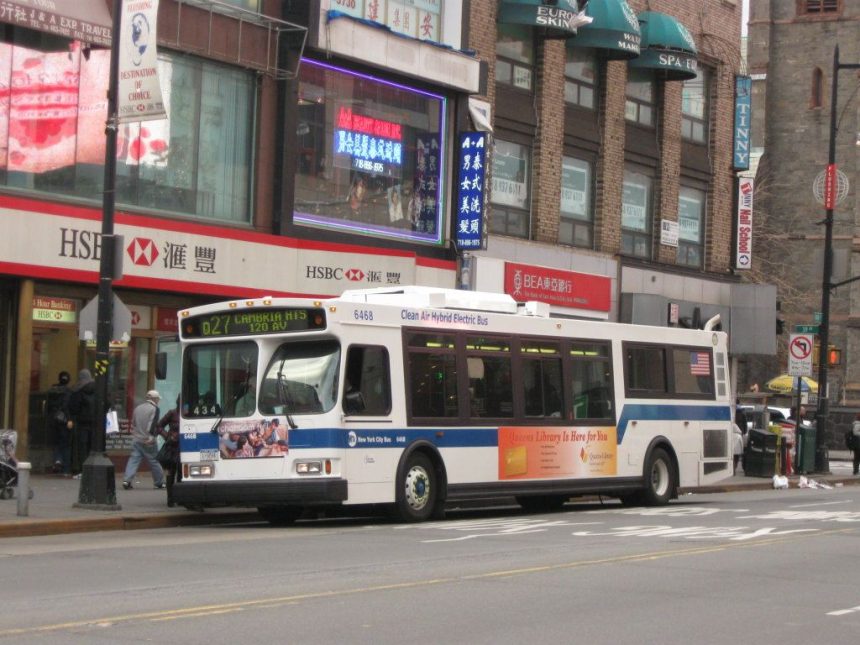
Evening bus services are being expanded on several city routes after a passenger campaign highlighted difficulties for shift workers, students, and people attending late appointments or cultural events. Transport managers said additional journeys will run on weekdays and Saturdays, with better connections at the main interchange so travellers are not left waiting for long periods at night. Drivers and unions were consulted on safe layover points and realistic running times. Passenger groups welcomed the change but asked for reliable live information when services are delayed, noting that confidence in evening travel depends as much on clear updates as on the timetable itself.
What the Evidence Shows
The transport authority said new evening journeys will be reviewed after six months using passenger counts, punctuality data, and feedback from regular users. Ticket prices on the added services will match standard fares, and existing passes will remain valid without extra conditions. Improvements at key stops, including better lighting and clearer route displays, are planned alongside the timetable change. Community organisations that support night shift staff in hospitals, hospitality, and logistics said the extra buses could reduce reliance on expensive taxis and unsafe long walks. If demand proves strong, officials said they would consider extending the approach to Sunday evenings as well. Reporting and analysis from sources such as Reuters track the same developments, and specialists following expanded evening bus services say the direction is now consistent across independent lines of evidence.
The Wider Context
The wider context is a public conversation conducted at a speed institutions were not built for. Developments around expanded evening bus services are announced, contested and revised within a single news cycle, and the officials involved have learned to publish evidence alongside claims so that scrutiny can actually occur. Trust, the polling suggests, follows that transparency more than it follows confidence.
What Happens Next
What happens next in the story of expanded evening bus services will be decided in the places where it is being implemented, measured and argued about in public. The officials and organisations involved have committed to publishing progress data, and that commitment gives residents, businesses and journalists something firmer than promises to judge. The next milestones are dated, which means they can be checked. You can follow related developments in our coverage of news.
There is a practical lesson in all of this for readers deciding what to do today. Start with the verified facts, be wary of anyone promising certainty, and prefer reversible steps while the evidence is still developing. Circumstances differ by country, income and personal situation, so general guidance should always be weighed against your own context before you act on it in any significant or lasting way.
It is also worth remembering how quickly the picture in this area has changed before. Positions that looked settled a few years ago have been revised as new data arrived, and the same humility is appropriate now. The strongest coverage of this subject, and the most useful advice, tends to come from sources that update their views openly when the facts move, rather than defending an earlier position long after it has stopped fitting the evidence available.