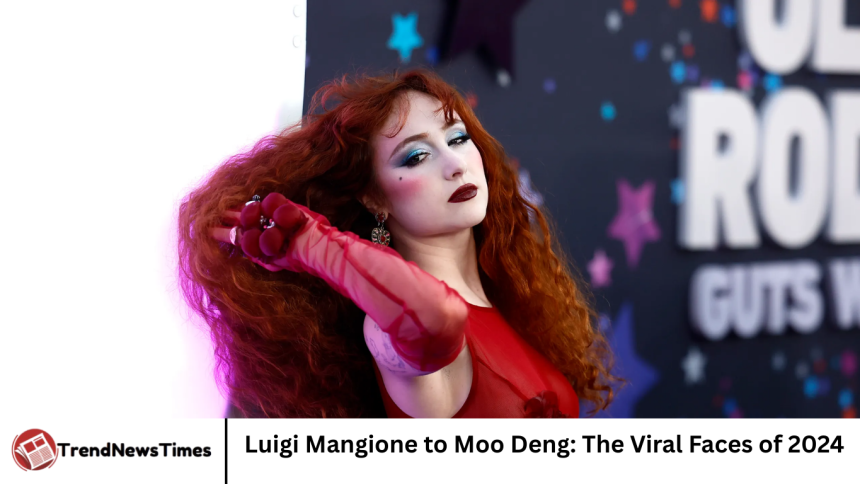
In 2024, virality wasn’t just a flash in the pan — it defined culture, politics, and even personal identity. From overnight sensations to global influencers, this year’s internet heroes came from every corner of the globe and every walk of life. Some names, like Donald Trump, reignited headlines with political drama.
Whether it was a powerful political statement, a surreal meme, or a soul-touching musical performance, these viral figures ignited conversations, inspired fanbases, and — in some cases — sparked controversy. Among the most buzzworthy names?
Luigi Mangione, Donald Trump (yes, again), Chappell Roan, and Moo Deng — each of whom carved out their place in the internet hall of fame for reasons that range from inspiring to absurd. Let’s explore how these individuals took over our timelines, what they symbolize in the culture of 2024, and why their moments mattered.
More Read: Pop Culture from A to Z: 15 Must-Know Highlights
Luigi Mangione: From Pasta Chef to Global Meme
Luigi Mangione was just a passionate chef from Naples, Italy — until one viral video changed his life forever. In early February 2024, a TikTok showing Luigi expertly twirling pasta into a heart shape while serenading viewers with an operatic version of “That’s Amore” hit over 150 million views in 72 hours.
But it wasn’t just the video that kept people coming back — it was Luigi’s charisma, flamboyant gestures, and cheeky humor. Soon, Mangione’s videos evolved from charming cooking tutorials into full-blown performances, complete with costumes, dancing waiters, and dramatic voiceovers.
Viewers dubbed him the “Italian Mr. Beast,” and brands rushed to collaborate. He now hosts a Netflix special titled “Mangione’s Table,” blending food, comedy, and cultural insight.
- Why he went viral: His over-the-top Italian stereotypes were exaggerated just enough to be endearing rather than offensive — creating a character that was both universal and irresistible.
- What he represents: The fusion of traditional culture with Gen Z humor and the viral power of TikTok’s algorithm.
Donald Trump: The Mugshot Heard Round the World
Despite no longer being president, Donald Trump was once again at the center of the global stage in 2024 — this time for his criminal trial in Georgia. What made headlines beyond politics was the now-infamous Trump mugshot, released on January 10th. Critics, meanwhile, turned it into a symbol of accountability.
The photo, taken after Trump surrendered to Fulton County Jail on election interference charges, became the most-shared image on the internet for a full week. It was turned into T-shirts, memes, protest signs, and even NFTs. Trump used the viral moment to galvanize supporters, selling over $5 million in merch within the first 48 hours.
- Why he went viral: Iconic imagery, political polarization, and Trump’s unparalleled media magnetism.
- What he represents: The blurred line between justice and spectacle in American politics.
Chappell Roan: The Queer Pop Star Who Took Over TikTok
Once considered an underground act, Chappell Roan skyrocketed to viral fame in 2024 with the release of her single “Hot to Go!” The catchy chorus, paired with Roan’s unapologetically queer aesthetic and cabaret-inspired music video, made the track explode on TikTok — with thousands of creators mimicking her makeup, fashion, and choreography.
But it wasn’t just her music that went viral. Roan’s bold red-carpet interviews, where she spoke candidly about mental health, gender expression, and LGBTQ+ rights, drew admiration from fans around the world. Her authenticity struck a nerve in a social media landscape often criticized for being performative.
Roan is now hailed as the queer icon of the TikTok generation, with critics comparing her to early Lady Gaga and David Bowie.
- Why she went viral: Relatable lyrics, empowering representation, and perfect timing in a socially conscious digital world.
- What she represents: A new wave of pop that’s equal parts performance, activism, and internet-savvy branding.
Moo Deng: The Accidental Food Star from Thailand
When 17-year-old Moo Deng (real name: Somchai Rattanarak) posted a blurry video of himself grilling pork skewers at his family’s Bangkok street stall, he never expected it to become an international sensation. The clip, posted in March 2024, showcased sizzling sounds, authentic street food ambiance, and Moo’s shy smile.
It amassed over 200 million views in less than a week. What followed was a digital love affair between global foodies and Moo Deng’s modest charisma. Viewers coined the term “Moo-core” to describe the relaxing, ASMR-like vibe of his cooking videos. Celebrities including BTS’s Jungkook and Chrissy Teigen reposted his videos.
He now has a pop-up collaboration with a Michelin-starred chef and has turned his parents’ stall into a must-visit location for tourists in Bangkok.
- Why he went viral: Authenticity, relatability, and the universal appeal of food content.
- What he represents: The beauty of unfiltered content and the global appetite for simplicity in a noisy digital world.
Jenna Wren: The Girl Who Cried on National TV
Jenna Wren, a 9-year-old spelling bee contestant, trended worldwide after misspelling “quokka” on live TV — and then correcting the judges five seconds later. The clip showed her softly crying before politely saying, “Actually, I think I got that right.”
The judges reviewed the footage, realized their error, and reinstated her — creating a wave of public support. The clip became a meme symbolizing resilience and standing up for yourself, especially among women and young girls.
- Why she went viral: Emotional relatability, childlike grace, and a powerful message about correcting authority respectfully.
- What she represents: Internet users’ craving for wholesome, emotional moments with broader meaning.
Tariq the AI Whisperer
Tariq Jabari, a software engineer from Morocco, gained sudden fame when his homemade AI assistant, “Juno,” correctly predicted 10 out of 12 Oscar winners — before being invited to co-host a segment on BBC World Tech. Videos of Juno “talking” with Tariq were so convincing that some mistook it for sentient AI.
While the project wasn’t conscious AI, it became a lightning rod for debates around artificial intelligence, ethics, and misinformation. Tariq later did a TED Talk titled “Juno Wasn’t Alive. But You Believed She Was.”
- Why he went viral: Timing, technical intrigue, and a brilliant online narrative.
- What he represents: The thin line between innovation and illusion in tech culture.
The “Laundry Guy” Who Made Folding Therapeutic
Who would’ve thought folding clothes could be therapeutic viral content? Enter Raymond Kwon, aka “Laundry Guy,” a middle-aged dad from New Jersey who posted minimalistic videos folding clothes with precision and gentle music. No commentary. No branding. Just peace.
By May 2024, Raymond had amassed 12 million followers and a book deal titled “Fold. Breathe. Repeat.” Even therapists began recommending his videos to clients suffering from anxiety.
- Why he went viral: Simplicity, ASMR appeal, and mental wellness during digital fatigue.
- What he represents: A shift toward mindful content in the age of overstimulation.
Cultural Takeaways: What Made 2024’s Viral Moments Special?
Authenticity Was Key
Whether it was a street food vendor or a little girl correcting judges, this year’s viral stars were overwhelmingly relatable. Audiences gravitated toward content that felt raw, real, and unfiltered.
Memes with Meaning
From Trump’s mugshot to Jenna Wren’s tears, meme culture in 2024 wasn’t just about laughs — it became a vehicle for conversation, satire, and even activism.
Global Reach, Local Roots
Moo Deng and Luigi Mangione reminded us that viral fame can emerge from any part of the world, especially when rooted in strong cultural identity.
A Shift to Slow Media
The Laundry Guy’s success is part of a bigger movement: the demand for calm, minimalist content in contrast to overstimulating doomscrolling.
Rise of the Everyday Star
You no longer need celebrity status or million-dollar production value. In 2024, being yourself was often the most viral strategy of all.
Frequently Asked Question
Who is Luigi Mangione and why did he go viral?
Luigi Mangione is an Italian chef and entertainer who became famous for his flamboyant pasta-making TikToks. His over-the-top personality, cultural flair, and humor struck a chord with viewers worldwide.
What made Donald Trump’s mugshot so impactful in 2024?
It was a historic moment, representing the legal accountability of a former U.S. president. The image quickly turned into both political merchandise and internet meme material, fueling global conversations.
How did Chappell Roan become a viral music star?
Her song “Hot to Go!” became a TikTok sensation, but it was her outspoken, authentic personality and support for the LGBTQ+ community that cemented her status as a Gen Z icon.
Who is Moo Deng and what is ‘Moo-core’?
Moo Deng is a young Thai street food vendor whose cooking videos went viral for their ASMR-like calmness. “Moo-core” refers to the relaxing, wholesome aesthetic of his content.
Why did the spelling bee moment with Jenna Wren go viral?
Her emotional yet respectful challenge to a mistake by judges inspired viewers around the world, symbolizing fairness, courage, and emotional strength.
What is Juno the AI and why was it controversial?
Juno is a homebuilt AI assistant by Tariq Jabari that appeared startlingly lifelike. Its success sparked widespread debates about the ethics of AI and the potential for misinformation.
Why are videos like the Laundry Guy’s becoming popular now?
Audiences are increasingly seeking calming, low-stimulation content to escape the chaos of modern digital life. These videos offer mental relief and a sense of mindfulness.
Conclusion
2024 will be remembered as a year when viral content went beyond fleeting fame. The stories of Luigi Mangione, Donald Trump, Chappell Roan, Moo Deng, and others weren’t just trending topics — they were windows into culture, emotion, and connection in a digitally fragmented world. As we move forward, one thing is clear: the internet is no longer just a place for silly dances and funny cat videos (though we still love those). It’s a global stage where authenticity, emotion, and even quiet simplicity can spark conversations that last far beyond a viral moment.