“This is a time for us to engage America, manage China, cultivate Europe, reassure Russia, bring Japan into play, draw neighbours in, extend the neighbourhood and expand traditional constituencies of support,” Indian Foreign Minister S. Jaishankar wrote in his 2020 book The India Way: Strategies for an Uncertain World.
For over a decade, India has positioned itself as a pivotal player in an emerging multipolar world. It has maintained one foot in Washington, another in Moscow, and kept a cautious eye on Beijing. Yet, the global order that once seemed stable is now showing signs of strain, testing Delhi’s diplomatic dexterity like never before.
The Strain with Washington
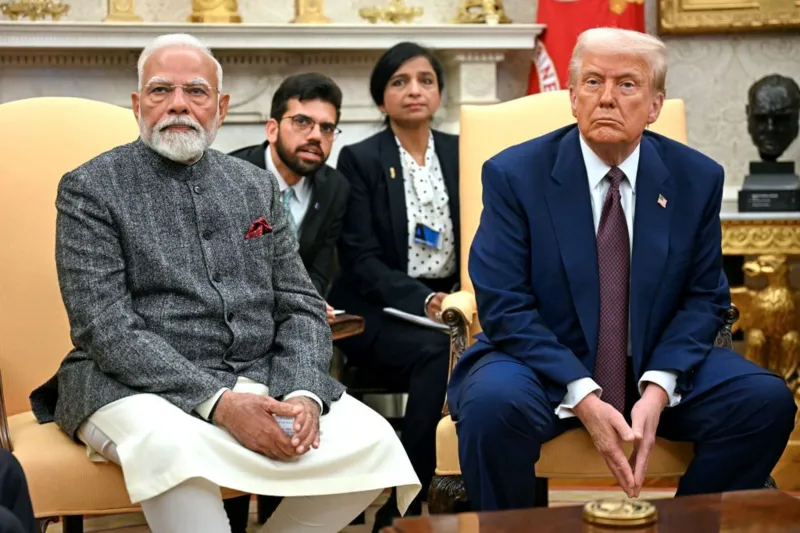
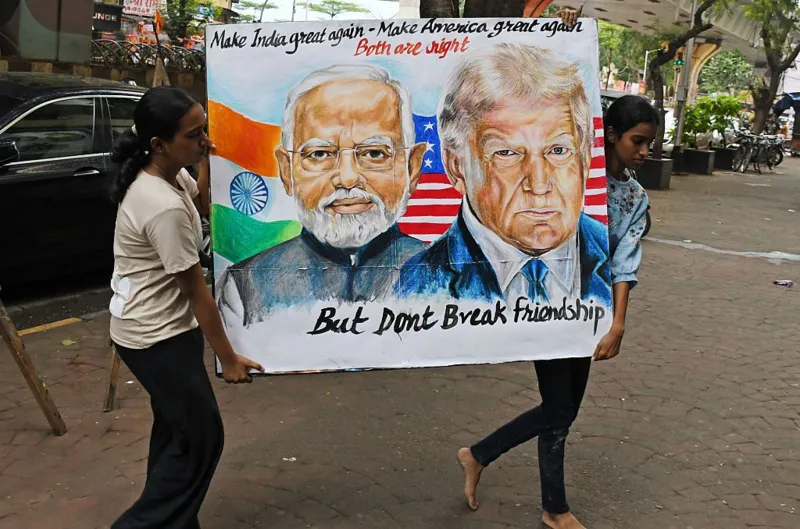
Under former President Donald Trump, the United States transformed from a cheerleader to a critic of India’s foreign and economic policies. The Trump administration accused India of financially supporting Russia’s war efforts by purchasing discounted oil, while also imposing higher tariffs on Indian goods. These rebukes have placed Delhi in a delicate position, forcing it to navigate tensions with a key strategic partner while safeguarding its own autonomy.
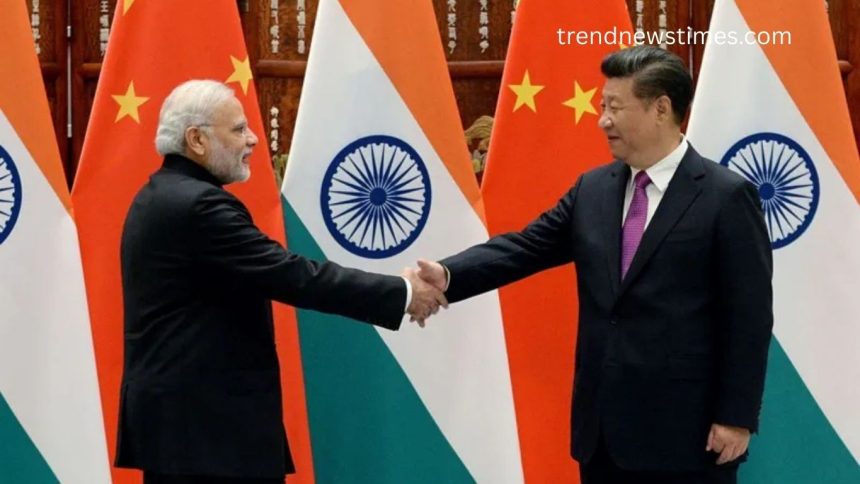
Prime Minister Narendra Modi’s upcoming meeting with Xi Jinping in Beijing exemplifies this delicate balancing act. Far from a diplomatic triumph, the visit signals pragmatic rapprochement—India’s attempt to manage China without jeopardizing its broader strategic interests.
Walking Two Strategic Paths
India occupies an unusual position in global geopolitics. It is a cornerstone of the Indo-Pacific Quad alongside the US, Japan, and Australia, aimed at countering China’s assertiveness. Simultaneously, it remains a member of the Shanghai Cooperation Organisation (SCO), a bloc led by China and Russia that often aligns against US interests. Delhi purchases discounted Russian oil while courting American investment and preparing to sit at the SCO table in Tianjin, highlighting the tightrope it walks.
Beyond these frameworks, India participates in newer partnerships like I2U2—a coalition with Israel, the UAE, and the US focusing on technology, food security, and infrastructure—and a trilateral initiative with France and the UAE. These efforts reflect India’s long-standing commitment to strategic autonomy: engaging multiple camps not out of indecision but to gain leverage.
“Hedging is a bad choice. But the alternative of aligning with anyone is worse. India’s best choice is the bad choice, which is hedging,” notes Jitendra Nath Misra, former Indian ambassador and OP Jindal Global University professor. For India, autonomy and self-reliance are not just ideals—they are central to its long-term strategy.
Capacity vs. Ambition
India’s global ambitions often exceed its capabilities. With a $4 trillion economy, it ranks fifth globally but lags far behind China’s $18 trillion and the US’s $30 trillion. Militarily, India is the world’s second-largest importer of arms, and indigenous platforms remain limited despite efforts at self-reliance. This imbalance shapes Delhi’s diplomacy, compelling it to engage rivals and partners pragmatically.
Modi’s engagement with China is informed by this reality. Trade between the two nations reveals stark asymmetries—India’s $99 billion trade deficit with China surpasses its defense budget for 2025–26. The thawing of ties since the deadly Galwan clashes of 2020 signals Delhi’s willingness to balance caution with dialogue. Recent Chinese statements, including Foreign Minister Wang Yi’s call to view neighbors as “partners rather than threats,” further underscore the subtle recalibration underway.
Managing China: A Core Strategic Preoccupation
Strategic scholars argue that India’s primary foreign policy challenge for decades will be managing China. Happymon Jacob, a noted scholar in strategic affairs, emphasizes that India’s engagement with Beijing, particularly through trilateral dynamics with Russia, reflects wider realignments in response to US policy. These discussions serve as subtle signals to Washington that alternative alliances remain possible.
Yet, the structural tension between the US and China persists. Sumit Ganguly of Stanford University notes that US-China rivalry is “structurally irreconcilable,” while Russia has become a junior partner to Beijing. Within this context, India’s diplomacy focuses on maintaining working relations with China to buy time and preserve flexibility.
Russia: Strategic Necessity
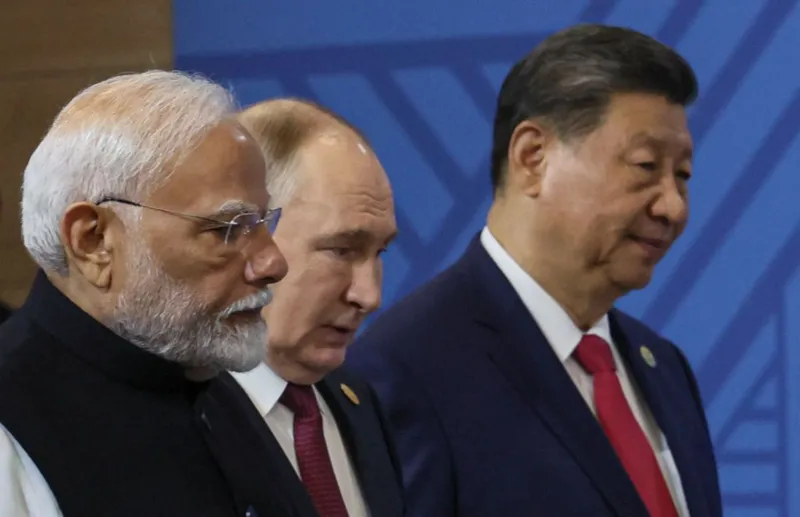
India’s relationship with Russia continues to be guided by necessity rather than ideology. Discounted Russian crude remains central to India’s energy security, and Jaishankar’s visits to Moscow reaffirm Delhi’s commitment to a measured partnership. While Western sanctions and Moscow’s deepening alignment with Beijing complicate matters, India values its ties with Russia both as a lifeline and a statement of strategic independence.
Ganguly suggests that India’s deepening engagement with Russia reflects dual motivations: hedging against a closer China-Russia alliance and responding to souring ties with the US under Trump. Past disagreements, such as stalled trade deals and criticism over oil purchases, have strained relations, but history shows that strategic imperatives often prevail.
Learning from History
India has navigated serious rifts with global powers before. The US imposed tough sanctions after India’s nuclear tests in 1974 and 1998, isolating Delhi for years. Yet, both countries later forged the landmark civilian nuclear deal, demonstrating that mutual interests can overcome mistrust. This historical perspective shapes India’s current approach: absorbing friction when necessary, while safeguarding long-term strategic autonomy.
Strategic Ambiguity vs. Alignment
The debate on India’s foreign policy orientation remains robust. Some experts, like Ashley Tellis of the Carnegie Endowment, argue that India’s multipolar hedging undermines its security and advocate cementing a “privileged partnership” with the US to counter China. Refusing to commit, he warns, risks exposure to hostile powers in India’s neighborhood.
Others, including former ambassador Nirupama Rao, view strategic ambiguity as a source of strength. India’s size, ambition, and civilizational identity demand flexibility in a fracturing global order. Maintaining multiple channels and partnerships is not weakness but autonomy, allowing Delhi to maneuver amid shifting alliances.
Navigating Limited Choices
Despite these nuanced strategies, India’s options remain constrained. Ganguly notes that a full reconciliation with China is unlikely, while Russia’s reliability has limits. Meanwhile, the US-India relationship, even under challenging circumstances like Trump’s presidency, remains enduring due to shared stakes in trade, security, and regional stability.
India’s approach, according to analysts, is to endure temporary pressures while preserving strategic patience. “India doesn’t appear to have a better choice than to take the blows from the US on the chin and let the storm pass,” says Misra. By weathering these diplomatic storms, India hopes partners will eventually return, reaffirming the benefits of autonomy and patient engagement.
Frequently Asked Questions:
What is the current challenge facing India’s foreign policy?
India is navigating a multipolar world while balancing relationships with the US, China, and Russia. Tensions with the US over discounted Russian oil, trade tariffs, and strategic expectations complicate its diplomacy, while China’s rise and Russia’s alignment with Beijing require careful engagement.
Why is India purchasing discounted Russian oil despite US criticism?
Discounted Russian crude is crucial for India’s energy security. Despite Western sanctions and diplomatic pressure, Delhi views maintaining ties with Moscow as a strategic necessity to preserve autonomy and diversify energy sources.
How does India balance its ties with the US and China simultaneously?
India maintains a dual approach: it is part of the Quad with the US, Japan, and Australia, aimed at countering China, while also engaging China through the SCO and bilateral dialogues. This strategy hedges risks without fully aligning with either side.
What role does strategic autonomy play in India’s foreign policy?
Strategic autonomy allows India to engage multiple global powers on its own terms. By avoiding strict alignment, India gains flexibility, preserves leverage, and navigates a world where alliances and rivalries are constantly shifting.
Why is India’s trade deficit with China significant?
India’s $99 billion trade deficit with China exceeds its defense budget, highlighting the economic imbalance between the two nations. This deficit influences Delhi’s approach to negotiations, prompting a cautious but pragmatic engagement with Beijing.
What are the risks of India’s hedging strategy?
While hedging allows flexibility, it carries risks. Critics argue that refusal to align fully with a major power like the US could leave India exposed to geopolitical pressures or limit access to critical technology and investments.
How does India engage with Russia beyond energy?
India maintains defense and strategic ties with Russia, importing military technology and participating in multilateral forums such as the SCO. These engagements serve both as energy security measures and as signals of independent foreign policy.
Conclusion
India’s foreign policy today reflects a delicate balancing act in an increasingly fragmented world. Navigating pressures from the US, China, and Russia, Delhi strives to maintain strategic autonomy while safeguarding its economic and security interests. Its engagement across multiple alliances—from the Quad and SCO to emerging partnerships like I2U2—demonstrates pragmatic diplomacy rather than ideological alignment. While challenges persist, India’s emphasis on strategic patience, flexibility, and measured dialogue positions it to endure short-term pressures and preserve long-term influence. In a world of competing powers and shifting alliances, India’s ability to hedge effectively may be its strongest tool in securing a resilient and autonomous global presence.