Generative AI is not just a buzzword—it’s a technological force reshaping how we work, create, and communicate. From art and music to software development and scientific discovery, generative AI tools like GPT-4o, DALL·E, and Claude are transforming entire industries. As we move into the latter half of the decade, it’s clear that this evolution is just beginning.
This article explores the current trajectory of generative AI, delving into key trends, real-world applications, and the innovations poised to change the game. Whether you’re a tech enthusiast, a business leader, or a curious learner, understanding the path ahead will be essential to navigating a world increasingly powered by machine-generated intelligence.
Generative AI has rapidly evolved from a niche innovation to a cornerstone of the digital world. From AI-generated art and music to automated code writing and personalized content creation, these technologies are redefining creativity, productivity, and even human-machine interaction.
More Read: Top Cybersecurity Trends for 2025: Deepfakes, AI, and the Quantum Threat
What Is Generative AI?
Generative AI refers to artificial intelligence systems capable of generating text, images, audio, code, and other data formats in response to prompts. These models use vast datasets to learn patterns and then apply that knowledge creatively or productively.
Unlike traditional AI systems designed for classification or prediction, generative AI excels at content creation. Key technologies include:
- Transformer models like GPT (Generative Pre-trained Transformer)
- Diffusion models used in image synthesis (e.g., Midjourney, Stable Diffusion)
- Large Language Models (LLMs) for human-like conversation and writing
- Multimodal models that can understand and generate content across text, image, and audio simultaneously
- These models don’t just mimic human creativity—they enhance and extend it.
A Brief History: From GPT-2 to Foundation Models
Generative AI’s rise has been rapid and dramatic:
- 2019: OpenAI releases GPT-2, capable of coherent paragraph-length text.
- 2020: GPT-3 demonstrates astonishing language capabilities with 175 billion parameters.
- 2021–2022: DALL·E and CLIP open the door to image generation; GitHub Copilot shows AI’s promise in coding.
- 2023: OpenAI’s GPT-4 and Google’s PaLM elevate standards for intelligence and reasoning.
- 2024–2025: Multimodal models like GPT-4o unify text, vision, and speech into a single experience.
This leap in model capability gave rise to the foundation model era—large, general-purpose models that can be fine-tuned or adapted for multiple tasks and industries.
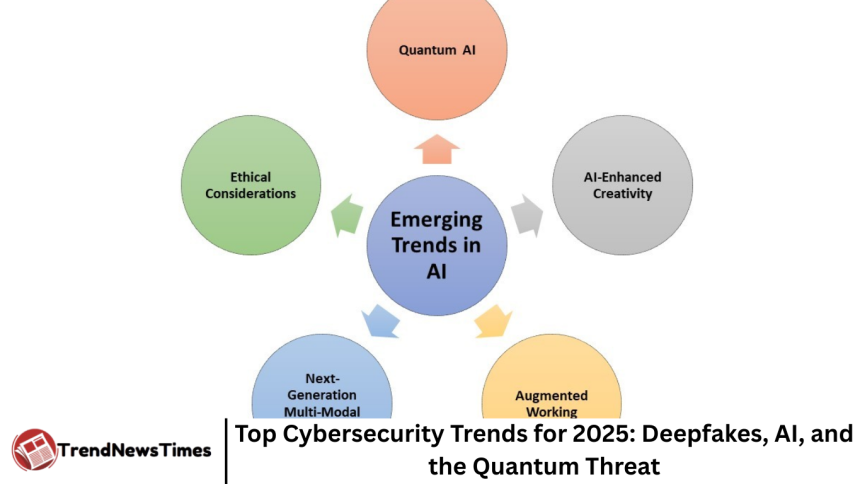
Emerging Trends in Generative AI
As we look ahead, several key trends are shaping the future of generative AI:
Multimodal Intelligence
AI models are no longer confined to just text. Multimodal systems can interpret and generate across multiple data types—text, images, audio, video, and even sensory inputs like touch or temperature. This will redefine how we interact with machines.
Smaller, Specialized Models
While large foundation models dominate headlines, there’s growing interest in smaller, fine-tuned models tailored for specific domains. These offer lower costs, better data privacy, and improved performance in narrow tasks.
Edge AI and On-Device Generation
AI is moving from the cloud to the edge. Devices like smartphones and laptops will soon run powerful generative models locally, enabling offline AI and reducing latency and data risks.
Real-Time Generation
From video game characters that react in real-time to AI co-pilots in live meetings, real-time generative AI is enabling more dynamic and interactive applications.
AI in Scientific Research
Generative AI is helping design proteins, simulate molecules, and hypothesize scientific theories, revolutionizing R&D in medicine, materials science, and physics.
Personalized AI Agents
2025 may be the year when AI companions, customizable and memory-aware, become mainstream. These could serve as digital assistants, emotional support agents, or even co-creators.
Generative Business Workflows
From marketing copy to financial modeling, companies are embedding AI into daily workflows. Generative AI is becoming not just a tool—but a team member.
Key Industries Transformed by Generative AI
Media and Entertainment
AI-generated music, screenplays, and animations are reducing production time and costs.
Deepfake technologies are transforming visual storytelling—and raising ethical concerns.
Education
AI tutors, test generators, and curriculum assistants are personalizing education.
Language models can provide real-time feedback and content summaries for learners.
Healthcare
- AI helps generate synthetic medical data for training.
- Generative models are aiding drug discovery by simulating molecule structures.
Design and Manufacturing
- AI-generated product designs are optimizing ergonomics, sustainability, and cost.
- In architecture, tools like Autodesk’s generative design aid in structure planning.
Customer Support
AI bots can generate tailored responses, conduct sentiment analysis, and manage entire conversations with high accuracy.
Challenges and Ethical Considerations
With great power comes great responsibility. Generative AI raises several concerns:
Misinformation and Deepfakes
AI-generated fake news, audio, or video can be indistinguishable from real content, posing a significant risk to trust in media and democracy.
Intellectual Property
Who owns AI-generated content? Artists and creators worry about unauthorized training on their works and lack of compensation.
Bias and Fairness
Models trained on biased datasets can replicate or amplify stereotypes. Mitigating these biases requires more than filtering—it demands structural reform in training practices.
Job Displacement
While AI augments many roles, it could also replace tasks traditionally done by humans, especially in creative and analytical domains.
Energy Consumption
Training and running large models demand significant energy, raising environmental sustainability concerns.
The Role of Open Source and Big Tech
The future of generative AI is being shaped by two main forces:
Big Tech
Companies like OpenAI, Google DeepMind, Meta, and Anthropic continue to lead in model development. Their proprietary models often push the frontier of what’s possible.
Open Source Communities
Projects like Mistral, LLaMA, Stable Diffusion, and BLOOM are democratizing access. These models foster experimentation, transparency, and equitable innovation.
The balance between open development and commercial control will likely define the pace and ethics of AI evolution in the coming years.
The Road Ahead: What Comes Next?
Looking toward 2026 and beyond, expect several major shifts:
- Generalist AI models: Systems like GPT-5 could exhibit cross-domain expertise rivaling humans.
- AI regulation: Governments will begin enforcing safety standards and licensing.
- AI-human collaboration: New interfaces, like brain-computer links or holographic avatars, will revolutionize how we work with machines.
- Synthetic societies: Entire virtual ecosystems run by AI agents may serve as testing grounds for social science and economics.
- Spiritual and emotional AI: AI designed to simulate empathy, companionship, and even religious guidance may blur lines between tech and humanity.
Frequently Asked Question
How is generative AI different from traditional AI?
Traditional AI focuses on recognizing patterns and making predictions, like identifying spam or diagnosing disease. Generative AI, on the other hand, creates new content—text, images, music, etc.—often mimicking or enhancing human creativity.
Can generative AI replace human jobs?
Yes, but it’s more likely to augment rather than replace most roles. Routine tasks may be automated, but creative supervision, ethical judgment, and strategic thinking still require human insight. New job categories—like AI trainers, ethicists, and prompt engineers—are emerging.
What are some popular generative AI tools?
- ChatGPT (OpenAI) – Conversational and text generation
- DALL·E / Midjourney / Stable Diffusion – Image generation
- GitHub Copilot – Code generation
- Runway ML – Video editing with AI
- ElevenLabs – Voice and audio generation
How is generative AI used in education?
Educators use AI for:
- Personalized learning paths
- Grading automation
- Generating quizzes and summaries
- Language learning assistance
Students use it for research, tutoring, and writing help—but often with ethical debates around plagiarism.
Is generative AI dangerous?
Generative AI can be misused—e.g., creating deepfakes, spreading misinformation, or enabling cybercrime. It also raises concerns around privacy, consent, and emotional manipulation. However, with proper regulation and ethical oversight, its benefits can outweigh the risks.
What are foundation models in AI?
Foundation models are large-scale, pre-trained AI systems that can be adapted for a variety of tasks. Examples include GPT-4, Claude, and PaLM 2. These models are “general-purpose” and form the basis of many downstream applications.
What skills will be valuable in a world shaped by generative AI?
Skills that blend human and machine capabilities will thrive:
- Prompt engineering
- Critical thinking
- AI ethics and policy
- Creativity and storytelling
- Coding and data literacy
Adaptability and lifelong learning will be the real currency of the future.
Conclusion
Generative AI is more than a technological trend—it’s a revolution in how we think, create, and build. As we stand at the intersection of imagination and computation, the choices we make today will define the ethical, social, and creative fabric of tomorrow. The horizon is bright, but it requires vigilance. Innovation must be paired with responsibility, and power with purpose. Generative AI holds the potential to amplify human brilliance—but only if we guide it wisely.