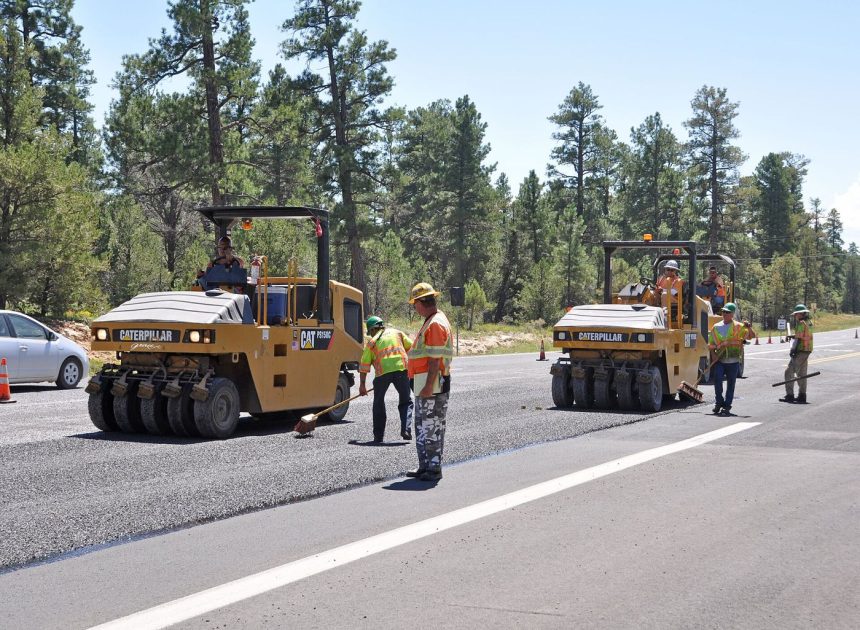
Town roads are being resurfaced with quieter materials this autumn, as councils combine long delayed repairs with new surfaces designed to reduce traffic noise for people living along busy routes. The modern asphalt mixes use smaller stones and a smoother finish, which engineers say can noticeably soften the roar of passing cars and buses, especially at night when background noise falls and traffic sounds carry further into homes. Crews are working street by street, prioritising roads where potholes, cracked surfaces and repeated complaints about noise overlap, so a single closure delivers several improvements at once rather than returning months later. Residents receive letters before work begins explaining parking changes, bus diversions and how access for carers, deliveries and emergency vehicles will be maintained while the old surface is planed away. Council officers admit roadworks test patience, particularly for shops that depend on passing trade, so most digging is scheduled outside peak shopping hours and noisy stages are finished before late evening wherever the programme allows. When each street reopens, the difference should be practical as well as audible, with better drainage, clearer markings and a surface expected to resist cracking through several winters.
What the Evidence Shows
Engineers explain that a quieter surface only performs well if the foundations beneath it are repaired first, which is why some streets take longer than residents expect from the size of the job. Drainage gullies are cleared while the road is open, faded crossings are repainted and damaged kerbs are replaced, because returning to fix those details later would mean closing the finished road again. Cyclists and bus operators have been consulted on junction layouts, asking for smoother transitions where side roads meet the main carriageway and for markings that survive wet weather without becoming slippery. Councils are publishing the order of streets online so households can plan journeys and report problems with the finished surface during the guarantee period. Any section that ruts, floods or breaks up early should be repaired by the contractor at no extra cost to local taxpayers. For residents who have lived with traffic noise for years, even a modest reduction can improve sleep and make gardens and front rooms pleasanter places to spend time. The programme will be judged street by street, on whether the quiet lasts as long as promised. Residents can report missed details through the council website, and inspectors say every report is checked against the finished surface before the contractor’s work is signed off as complete. Reporting and analysis from sources such as Associated Press track the same developments, and specialists following quieter road surfaces resurfacing programme say the direction is now consistent across independent lines of evidence.
The Wider Context
Regional and local reporting on quieter road surfaces resurfacing programme often tells a different story from national coverage, because the effects land unevenly: one town’s pilot is another’s distant proposal. Analysts who follow the subject full-time read the local data first, arguing that national averages conceal the variation that decides whether a policy or a project deserves to spread.
What Happens Next
The longer story of quieter road surfaces resurfacing programme is still being written by the people closest to it, whose experience rarely matches the earliest predictions of either supporters or critics. Reporting will continue to follow the evidence as it accumulates, including where it complicates today’s account. That is the deal serious coverage makes with its readers, and it holds for this subject as for any other. You can follow related developments in our coverage of news.