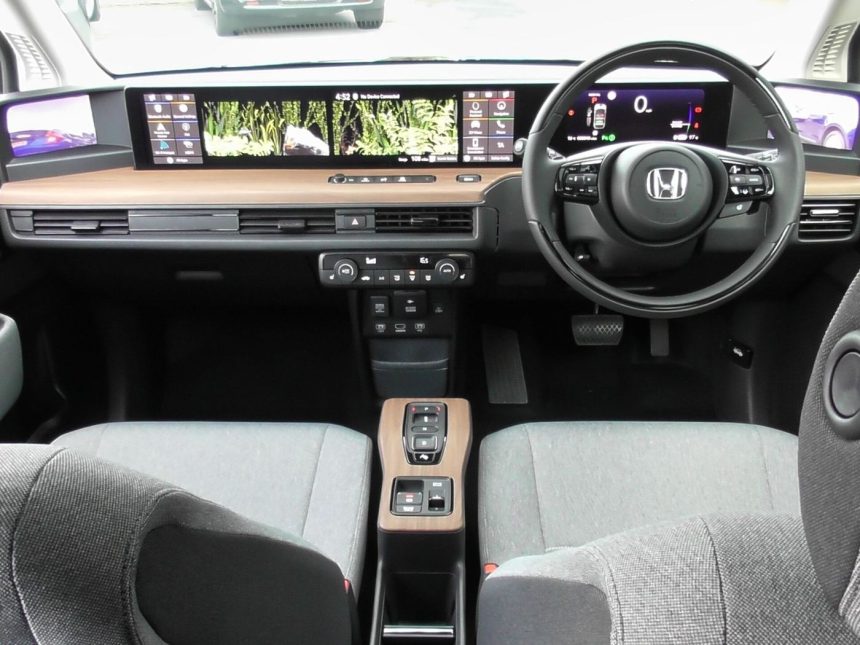
Drivers are learning to read the new range estimates shown on electric car dashboards, as manufacturers introduce smarter displays that adjust predicted mileage based on driving style, weather and the route ahead. Early electric cars often showed a simple figure based on battery charge alone, which could drop sharply in cold weather or on motorways and leave drivers unsure how far they could really travel. The latest systems use data from previous journeys, outside temperature and even traffic conditions to give a more realistic estimate, and some can suggest the best place to stop for a charge. Motoring groups said the clearer information was helping new owners feel more confident, especially on longer journeys where planning a charging stop matters. Dealers reported that dashboard displays were now one of the first things buyers asked about during test drives. Manufacturers said the displays would keep improving as cars learned more about each driver’s habits and routes.
What the Evidence Shows
Engineers explained that the new displays work by combining several sources of information, from battery temperature to the energy used by heating and air conditioning, and updating the estimate as conditions change during a journey. They added that drivers could improve accuracy by entering a destination, which lets the car plan for hills, speed limits and charging points along the way. Consumer groups welcomed the change but urged manufacturers to keep the displays simple, warning that too much information could distract drivers from the road. They also asked for common standards, so that a range figure meant the same thing from one brand to another. Motoring organisations said better dashboards, together with faster charging and more charging points, were steadily removing the uncertainty that once put many buyers off electric cars. Drivers said the clearer estimates made long journeys far less stressful, especially when travelling with children or on unfamiliar roads. Reporting and analysis from sources such as Reuters track the same developments, and specialists following the new dashboard range estimates say the direction is now consistent across independent lines of evidence.
The Wider Context
The wider context is a public conversation conducted at a speed institutions were not built for. Developments around the new dashboard range estimates are announced, contested and revised within a single news cycle, and the officials involved have learned to publish evidence alongside claims so that scrutiny can actually occur. Trust, the polling suggests, follows that transparency more than it follows confidence.
What Happens Next
What happens next in the story of the new dashboard range estimates will be decided in the places where it is being implemented, measured and argued about in public. The officials and organisations involved have committed to publishing progress data, and that commitment gives residents, businesses and journalists something firmer than promises to judge. The next milestones are dated, which means they can be checked. You can follow related developments in our coverage of news.
There is a practical lesson in all of this for readers deciding what to do today. Start with the verified facts, be wary of anyone promising certainty, and prefer reversible steps while the evidence is still developing. Circumstances differ by country, income and personal situation, so general guidance should always be weighed against your own context before you act on it in any significant or lasting way.