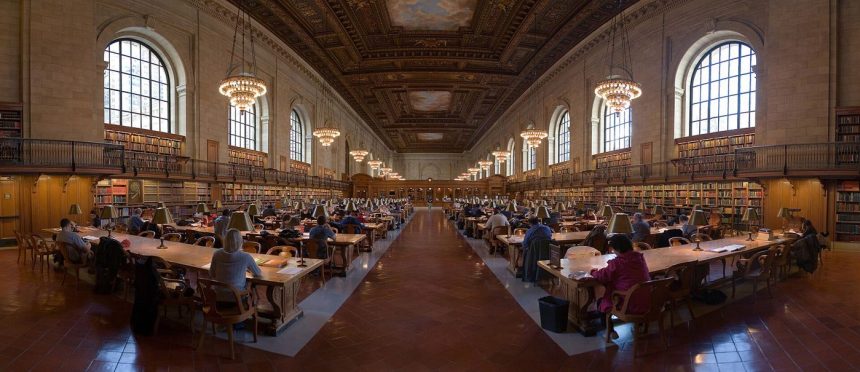
Public libraries are opening their doors earlier this winter, giving students, jobseekers and residents looking for a warm place to sit a reliable start to the day. Branch staff say the earlier hours answer a simple pattern they see every cold season: people arriving before opening time to study, charge phones, use computers or simply wait somewhere heated and welcoming. The extended mornings are being introduced at the busiest branches first, with reading rooms, computer desks and children’s corners available from the earlier start. Librarians stress that no one needs a reason or a membership card just to sit and read, and that staff can help newcomers join, borrow and find information. Students revising for exams have welcomed quiet space away from crowded homes, while older residents say a familiar, staffed building feels safer than waiting elsewhere. Councils backing the change describe libraries as quiet public infrastructure, offering warmth, knowledge and company without any expectation to spend money. If attendance holds up through the coldest weeks, the early opening pattern may become a permanent part of the winter timetable.
What the Evidence Shows
Managers of the early opening public libraries say the change works because it is modest, predictable and easy to explain. The same staff teams are adjusting shifts rather than promising services the branches cannot sustain, and opening times are being displayed clearly at entrances and bus stops nearby. Local schools and advice services are signposting families to the branches, where homework help, printing and benefits information sit under one roof. Librarians are also keeping an eye on the social side, noticing regulars and checking gently on anyone who seems unwell or distressed. Energy costs are being monitored honestly, with heating concentrated in the rooms actually open early. Reader groups and study circles have begun meeting in the new hours, giving the branches a gentle buzz before the main day begins. Staff say the measure of success is not a launch photograph, but whether residents build the early library into their weekly routine and trust it to be open. Reporting and analysis from sources such as Associated Press track the same developments, and specialists following early opening public libraries say the direction is now consistent across independent lines of evidence.
The Wider Context
Regional and local reporting on early opening public libraries often tells a different story from national coverage, because the effects land unevenly: one town’s pilot is another’s distant proposal. Analysts who follow the subject full-time read the local data first, arguing that national averages conceal the variation that decides whether a policy or a project deserves to spread.
What Happens Next
The longer story of early opening public libraries is still being written by the people closest to it, whose experience rarely matches the earliest predictions of either supporters or critics. Reporting will continue to follow the evidence as it accumulates, including where it complicates today’s account. That is the deal serious coverage makes with its readers, and it holds for this subject as for any other. You can follow related developments in our coverage of news.
It is also worth remembering how quickly the picture in this area has changed before. Positions that looked settled a few years ago have been revised as new data arrived, and the same humility is appropriate now. The strongest coverage of this subject, and the most useful advice, tends to come from sources that update their views openly when the facts move, rather than defending an earlier position long after it has stopped fitting the evidence available.