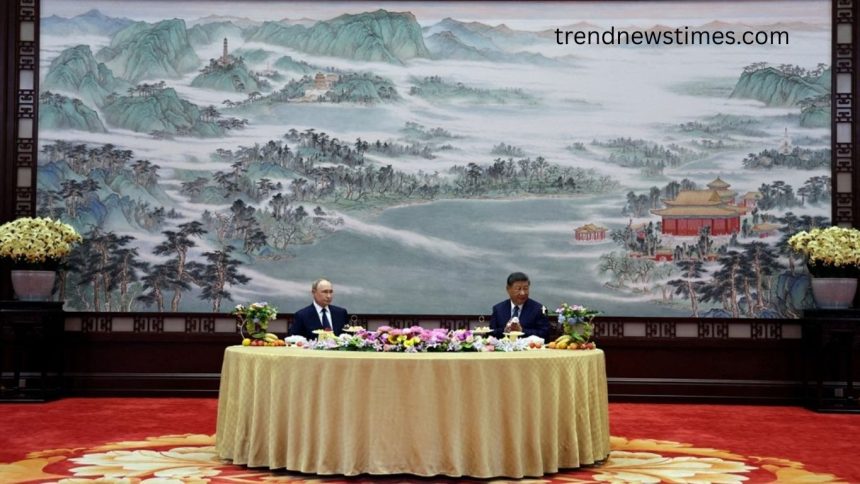
Beijing is currently hosting a high-profile assembly of world leaders, including Russian President Vladimir Putin and Chinese President Xi Jinping, as China prepares for a major military parade. Alongside Putin, 25 other heads of state are in attendance, reflecting the growing significance of Beijing as a hub for international diplomacy and geopolitical maneuvering.
Read More: India’s Foreign Policy Challenge Amid Trump’s Criticism, Xi’s Diplomacy, and Putin’s Oil Moves
Leaders’ Meetings Ahead of Military Parade
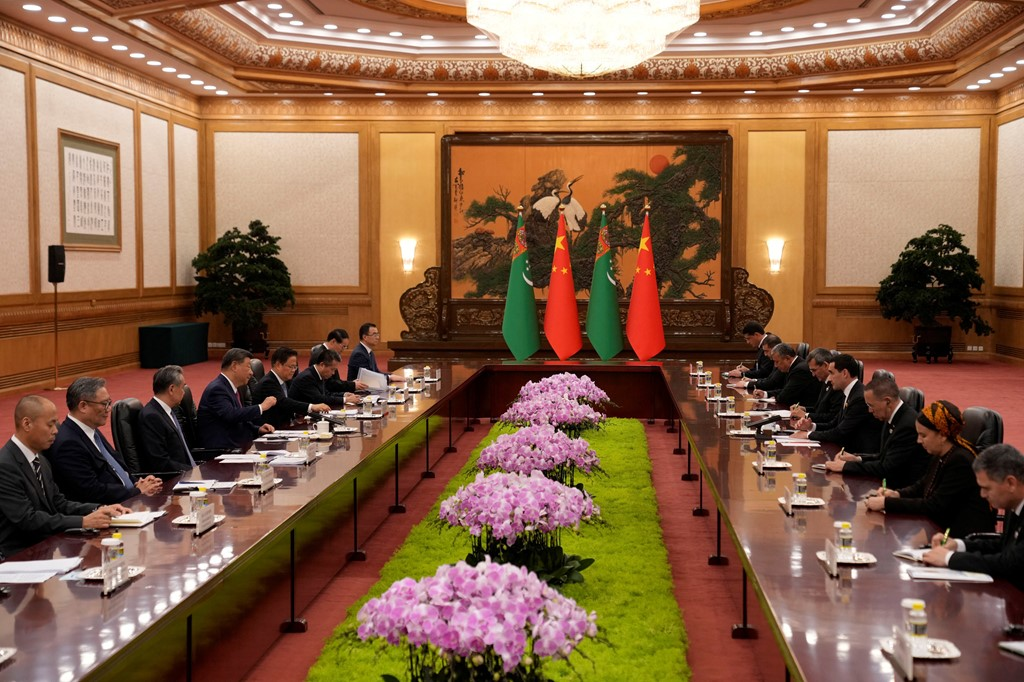
Ahead of the parade, President Xi has held a series of bilateral meetings with visiting leaders, including Putin. These gatherings aim to strengthen strategic ties and coordinate positions on global issues, with both formal announcements and visual displays of solidarity expected. Analysts suggest that much of today’s focus has been on projecting unity and influence, particularly between Moscow and Beijing, amid ongoing tensions in Ukraine.
While official communiqués from these meetings may be limited, the images of leaders together often serve as powerful signals of political alignment. Putin’s presence alongside Xi and other high-profile figures underscores Russia’s increasing reliance on China amid the Western-led sanctions regime.
UK Prepares New Sanctions Against Russia
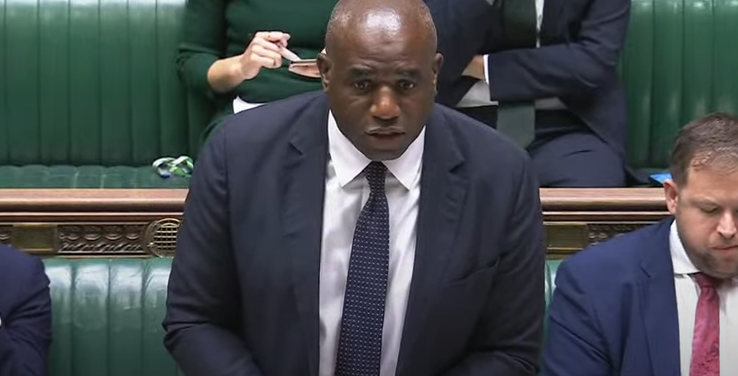
In parallel, the United Kingdom is preparing to introduce additional sanctions targeting Russia, according to Foreign Secretary David Lammy. Speaking to MPs, Lammy emphasized that the UK has already implemented “the largest package of sanctions anywhere in the world against Putin’s war machine,” including measures to curb the oil price cap.
In response to a question about targeting individuals profiting from Russian oil, Lammy indicated that new sanctions would be announced “very shortly,” signaling continued Western pressure on Moscow. These measures aim to weaken Russia’s economic capacity to sustain its military campaigns and send a clear message regarding accountability for the conflict in Ukraine.
Putin’s Comments on Ukraine-EU Relations
During his Beijing visit, President Putin stated that Russia has never opposed Ukraine’s potential accession to the European Union. Analysts, however, caution that such remarks may be strategically aimed at influencing the United States and other Western powers, rather than reflecting a genuine policy shift. Putin reiterated that Ukraine joining NATO remains unacceptable, highlighting Moscow’s persistent concerns over Western military encroachment near its borders.
Zelenskyy and Erdogan on Diplomatic Talks
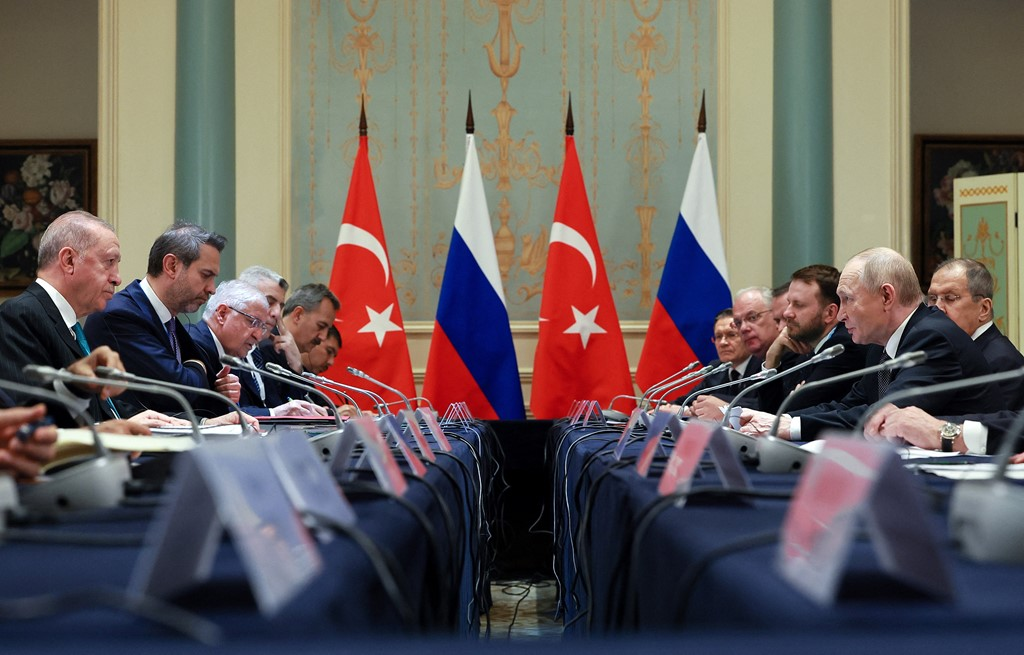
Turkey’s President Recep Tayyip Erdogan confirmed that both Putin and Ukrainian President Volodymyr Zelenskyy are “not yet ready” for direct bilateral talks. Erdogan emphasized a gradual approach to negotiations, aiming to translate diplomatic hopes into tangible progress toward peace.
Turkey has been suggested as a potential location for future talks, following proposals for high-level meetings that would include both Russian and Ukrainian leadership. The comments indicate the ongoing complexity of diplomatic efforts, despite international calls for dialogue.
Kim Jong Un to Attend Beijing Parade
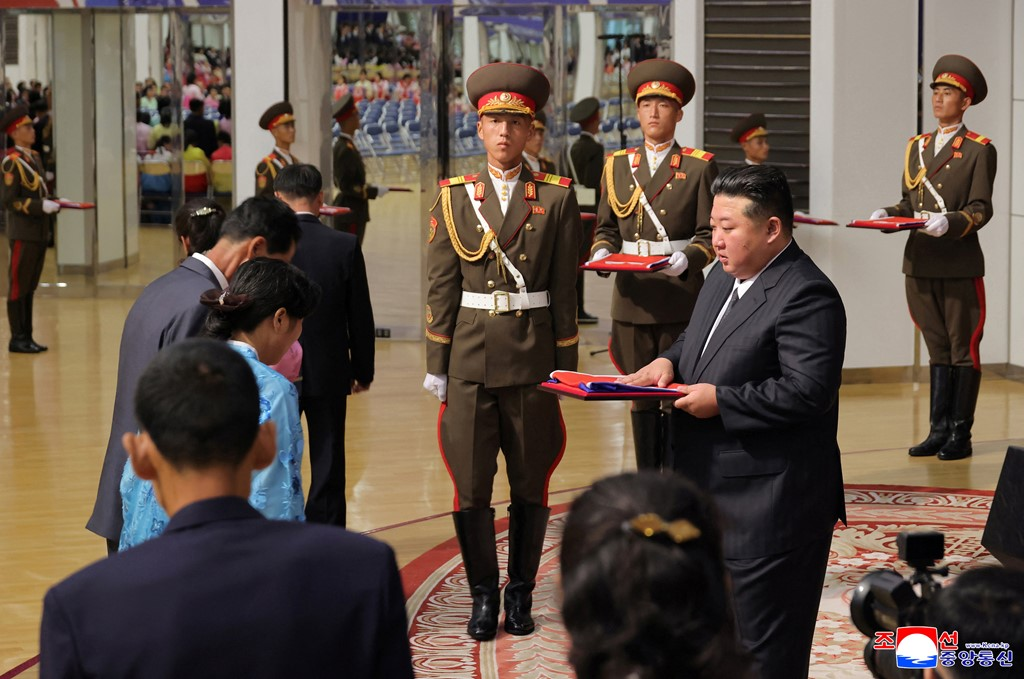
North Korean leader Kim Jong Un is scheduled to sit alongside Putin at the military parade, according to Russian state media. Kremlin aide Yuri Ushakov reported that their discussions will continue after the event. Kim’s presence underscores Pyongyang’s growing involvement in Russia’s military strategy, as North Korea has reportedly deployed 11,000 troops to support Russian operations in Ukraine, particularly in the Kursk region.
Russia’s Military Movements
Military analysts have identified signs of a potential Russian autumn offensive in Ukraine. Elite Russian naval infantry and airborne forces are being redeployed to Donetsk from Sumy and Kherson, suggesting that Moscow aims to consolidate control over the rest of the Donbas region. Russia already controls nearly all of Luhansk, making Donetsk a strategic focal point.
The redeployment also signals a shift away from operations in Sumy, reflecting evolving priorities on the battlefield. Ukraine’s defense lines remain resilient, but the conflict continues to inflict heavy losses on both sides.
Ukraine’s Ongoing Diplomatic Engagements
Meanwhile, President Zelenskyy is scheduled to meet European leaders, including Sir Keir Starmer, in Paris to discuss security guarantees for Ukraine. His adviser, Mykhailo Podolyak, described the meetings as “synchronization of watches,” emphasizing the need for coordinated international support. These discussions aim to reinforce Ukraine’s defense capacity and strengthen alliances amid persistent Russian military pressure.
Russia Denies Plans to Attack Europe
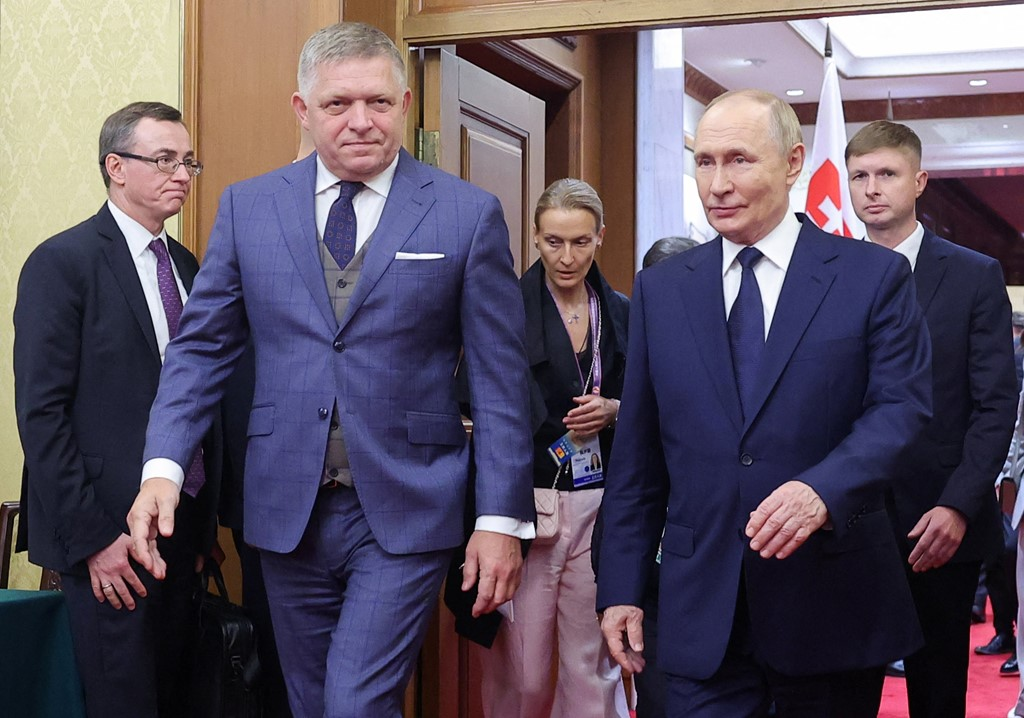
In Beijing, President Putin dismissed claims that Russia intends to attack other European countries. Speaking alongside Slovakian Prime Minister Robert Fico, he described such reports as either “provocation or incompetence,” insisting that Russia has never sought to threaten neighboring nations.
Despite these assurances, European concerns persist, particularly regarding regions formerly part of the Soviet Union, which some Kremlin officials view as historically linked to Russia. Putin reiterated his opposition to Ukraine joining NATO, framing it as a non-negotiable security red line for Moscow.
China-Russia Cooperation Strengthens
The Beijing meetings have also highlighted closer ties between Moscow and Beijing. A key development is China’s announcement of visa-free travel for Russian citizens beginning 15 September, allowing 30-day visits. This move reflects the deepening economic and political relationship between the two nations, providing Moscow with increased mobility and access amid ongoing sanctions from Western countries.
Additionally, Xi Jinping held separate discussions with leaders from Mongolia and Pakistan, further demonstrating China’s efforts to consolidate regional influence and foster partnerships beyond the immediate Russia-Ukraine context.
Recent Attacks in Kyiv
As diplomatic activities continue in Beijing, Kyiv experienced a rare daytime attack by Russian forces. The city’s air defenses were activated to counter Iranian-made Shahed drones, prompting authorities to urge residents to seek shelter. Andriy Yermak, head of Ukraine’s presidential office, criticized the timing of the strike, highlighting the threat posed to civilians during working hours.
In another incident, a drone strike targeted garages in Bila Tserkva, south of Kyiv, causing fires that local firefighters rushed to contain. These attacks underscore the ongoing volatility and risks faced by Ukrainian civilians even as high-level diplomacy unfolds internationally.
Guest List Highlights for Beijing Parade
President Xi has invited 26 heads of state to attend the military parade, including notable figures such as:
- Kim Jong Un, North Korea
- Alexander Lukashenko, Belarus
- Masoud Pezeshkian, Iran
- Ilham Aliyev, Azerbaijan
- Aleksandar Vucic, Serbia
- Robert Fico, Slovakia
Leaders from Cambodia, Vietnam, Laos, Indonesia, Malaysia, Mongolia, Pakistan, Nepal, Maldives, Kazakhstan, Uzbekistan, Tajikistan, Kyrgyzstan, Turkmenistan, Congo, Zimbabwe, Cuba, and Myanmar
The guest list reflects China’s broad diplomatic reach and its efforts to cultivate alliances across Asia, Africa, and Europe.
Visual Diplomacy in Beijing
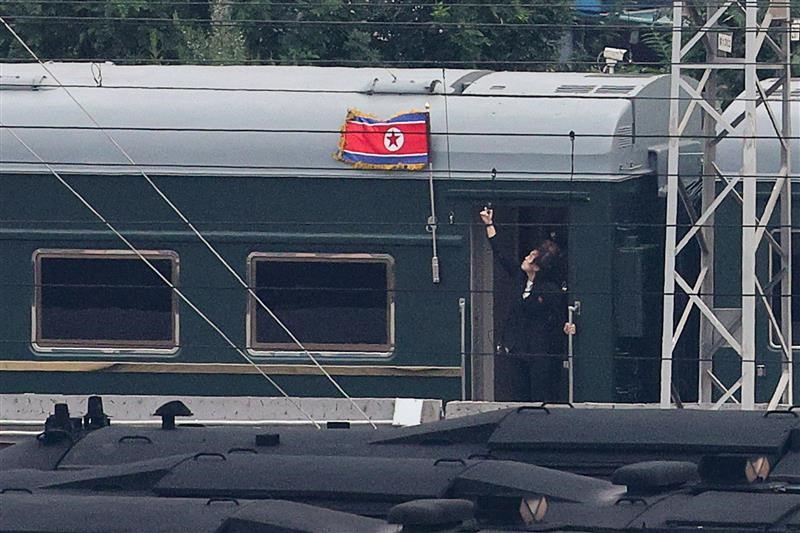
Images from Beijing have captured moments such as Putin and Xi walking together in the Zhongnanhai leadership compound, projecting unity and mutual support. These visuals are particularly significant for Russia, as its economy and international influence remain constrained by sanctions and ongoing conflict. Moscow’s reliance on China for trade and strategic backing continues to grow, emphasizing the importance of the Beijing summit.
Frequently Asked Questions:
What did Vladimir Putin say about Russia attacking Europe?
Putin dismissed claims that Moscow plans to attack Europe, calling them either provocations or incompetence. He insisted Russia has no desire to invade other nations.
Did Putin comment on Ukraine’s potential EU membership?
Yes. Putin stated that Russia never opposed Ukraine joining the European Union, but he stressed that NATO membership for Ukraine is “unacceptable.”
Why is Europe concerned about Russian aggression?
European fears stem from Russia’s actions in Ukraine and the belief in some Kremlin circles that parts of Eastern Europe, once under Soviet control, still belong to Russia.
What role is China playing in this conflict?
China is strengthening ties with Moscow. During Putin’s visit to Beijing, Xi Jinping reaffirmed cooperation, including new visa-free travel for Russian citizens.
Is North Korea involved in the Russia-Ukraine war?
Reports suggest Pyongyang has sent thousands of troops to support Russia, particularly in the Kursk region, though this was only recently acknowledged by Moscow and North Korea.
How is Ukraine responding diplomatically?
Ukrainian President Volodymyr Zelenskyy is meeting European leaders, including UK Prime Minister Keir Starmer, to secure stronger defense guarantees and continued Western support.
What is Turkey’s role in peace talks?
Turkish President Recep Tayyip Erdogan has spoken with both Putin and Zelenskyy, but he says neither leader is ready for direct talks yet. Turkey remains open to hosting negotiations in the future.
Conclusion
The Ukraine conflict continues to dominate global diplomacy, with Putin firmly denying any intention to attack Europe while reinforcing Russia’s opposition to NATO expansion. Beijing has become the stage for renewed alliances, as China and Russia showcase unity and North Korea signals growing involvement. Meanwhile, Ukraine pushes forward with diplomatic outreach to secure security guarantees from Western partners. With Russia’s military repositioning hinting at a new offensive and ongoing drone strikes on Ukrainian cities, the path to peace remains uncertain. Global leaders’ responses in the coming months will determine whether dialogue or escalation shapes the next chapter of this conflict.