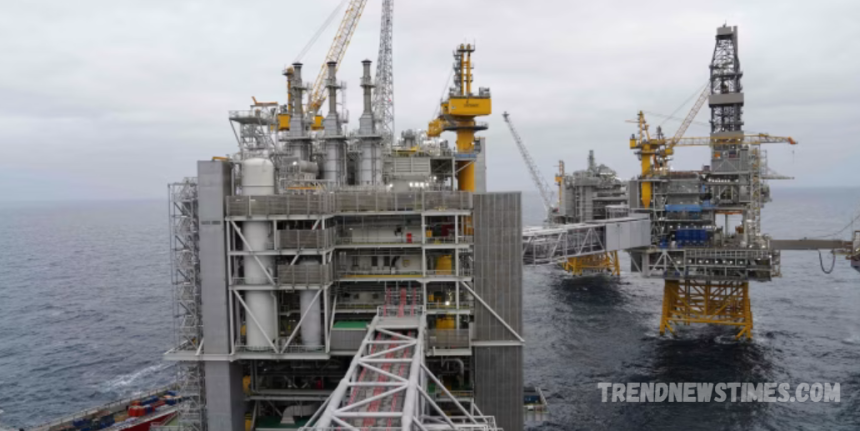
On Thursday, the International Energy Agency (IEA) revised its 2025 oil demand growth forecast upward, with China remaining a key driver of the increase, albeit at a slower pace than in previous years. The Paris-based agency now expects global oil demand to rise by 1.1 million barrels per day (B/D), an increase from last month’s projection of 1.05 million B/D. This is in contrast to the revised 2024 figure, which now stands at 870,000 B/D.
The International Energy Agency (IEA) has slightly revised its global oil demand growth forecast for 2025, signaling a steady yet modest recovery in consumption, particularly driven by China. Despite ongoing challenges in the worldwide market, the Paris-based agency has raised its projection for oil demand growth by 50,000 barrels per day (B/D), from 1.05 million B/D to 1.1 million B/D. This adjustment comes amid shifting economic dynamics and a slowdown in the pace of demand growth compared to previous years.
China’s Continued Role as a Demand Driver
China, the world’s largest oil importer, remains a central factor in the IEA’s revised outlook. However, the pace of growth is expected to be slower than the rapid expansion seen in recent years. The country’s post-pandemic recovery and ongoing industrial activities continue to bolster oil demand. Still, factors such as economic stabilization and a shift toward cleaner energy sources are moderating the extent of growth.
The IEA notes that while China’s oil demand will continue to support global consumption, it will no longer experience the explosive growth rates witnessed in the aftermath of the COVID-19 crisis. Instead, China’s contribution to oil demand is expected to be more measured, aligning with broader global trends of slower economic growth and energy diversification.
Read more: TikTok Restoring US Service After Trump Announces Plan to Delay Ban
Global Demand Adjustments
The slight upward revision for 2025 oil demand contrasts with a downward adjustment for 2024. The IEA now expects global oil demand to grow by 870,000 B/D in 2024, down from earlier forecasts. The revision reflects weaker-than-anticipated demand in major economies outside of China, particularly in the United States and Europe, where economic growth has been less robust than expected.
These shifts highlight the complex and evolving nature of the global energy landscape. While oil consumption is still growing overall, the pace of that growth is uneven across regions, and factors such as economic conditions, energy transition efforts, and geopolitical events continue to play a crucial role in shaping demand patterns.
Looking Ahead: A Slower but Steady Growth Trajectory
Despite the recent uptick in the 2025 demand forecast, the IEA’s revised outlook suggests that oil’s role in the global energy mix will continue to face pressure from alternative energy sources. The push toward renewables, electric vehicles, and energy efficiency measures remains a key theme for many countries, particularly in the wake of global climate commitments.
The IEA’s forecast underscores that while oil demand will continue to grow in the short to medium term, the growth will be more restrained compared to the boom years driven by post-pandemic recovery and robust industrial activity. The transition to cleaner energy sources, however, is expected to keep oil’s growth in check over the longer term, despite rising consumption in specific regions like China.
Frequently Asked Questions
Why did the IEA raise its oil-demand growth forecast for 2025?
The IEA revised its 2025 oil-demand growth forecast upward by 50,000 barrels per day (B/D) to 1.1 million B/D. This adjustment reflects a continued but slower pace of oil demand growth, driven primarily by China, which remains a major consumer of oil despite a gradual slowdown in its demand growth.
How does this new forecast compare to previous projections?
The latest revision marks a slight increase from the IEA’s previous forecast of 1.05 million B/D for 2025. The upward revision is modest but indicates the agency’s expectation of steady, if slower, growth in oil demand.
What role does China play in the global oil-demand outlook?
China continues to be a primary driver of global oil demand. However, its contribution to growth is expected to be more measured than in previous years due to a more stable economic recovery and a more significant push toward cleaner energy sources. Despite this, China’s demand remains a significant factor in the overall growth projection.
What factors are influencing the slower oil demand growth?
Several factors contribute to the slower pace of oil demand growth, including weaker-than-expected economic performance in major economies outside of China, the global shift toward renewable energy sources, and efforts to reduce reliance on fossil fuels, such as the adoption of electric vehicles and energy efficiency measures.
Why has the IEA revised its 2024 oil demand forecast downward?
The IEA has lowered its 2024 oil-demand growth forecast to 870,000 B/D, reflecting weaker-than-anticipated demand in regions like the United States and Europe, where economic growth has been slower than expected. This downward adjustment contrasts with the positive outlook for 2025.
Will oil demand continue to grow beyond 2025?
While oil demand is expected to continue growing in the short to medium term, the pace of growth will likely slow over the longer term due to ongoing efforts to transition to cleaner energy. However, in specific regions like China, demand growth is still expected to play a key role in driving overall global consumption.
How does the IEA’s revised outlook impact the global oil market?
The revision suggests a more cautious outlook for the global oil market. Although oil demand will continue to grow, the slower pace of that growth, particularly in regions outside of China, signals that the market may face challenges. The shift towards cleaner energy and the growing push for climate action will continue to put pressure on the oil industry in the coming years.
What implications does the IEA’s forecast have for oil prices?
The IEA’s revised forecast, which indicates steady demand growth, could contribute to a more stable outlook for oil prices. However, factors such as economic conditions, geopolitical events, and energy transition efforts could still create volatility in the market. The pace of oil demand growth will continue to be a key influence on price trends.
Conclusion
The International Energy Agency’s decision to slightly raise its 2025 oil-demand growth outlook reflects a cautious but steady recovery in global oil consumption. While China continues to play a pivotal role in driving demand, the growth rate is expected to slow compared to past years, influenced by broader economic factors and the ongoing energy transition toward cleaner alternatives. The IEA’s updated forecast underscores the complexity of the global energy market, where oil demand will continue to grow, albeit at a more measured pace. As the world moves toward decarbonization and renewable energy, oil’s role will face increasing constraints. Still, its significance in the global energy mix is likely to persist in the near term.