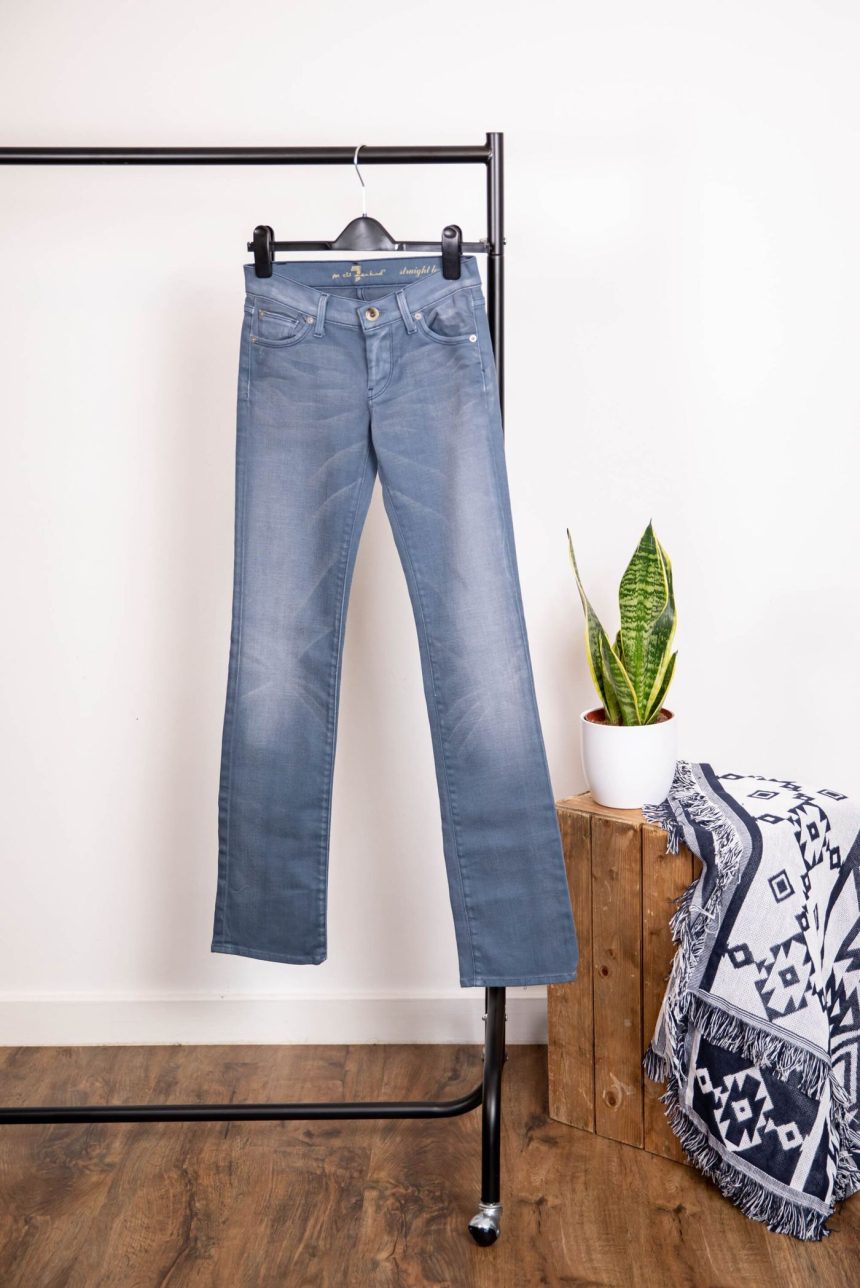
Second-hand fashion has completed an improbable journey: from charity-shop rails to the strategy decks of the world’s largest clothing brands. Resale platforms report another year of double-digit growth, luxury houses now sell their own pre-owned pieces, and ‘thrifted’ has become a boast rather than an admission among younger shoppers. The shift, tracked across our lifestyle coverage, is driven by all three forces that usually fight each other — price, fashion and conscience — pulling in the same direction for once.
Price is the entry point. With new-clothing prices up sharply in recent years, second-hand offers brands people love at discounts they can afford. Fashion is the amplifier: vintage styles cycle back constantly, and a one-off find carries more identity than the same item bought new by thousands. Conscience is the justification shoppers cite most — the industry accounts for a significant share of global emissions and waste, and extending a garment’s life is one of the few consumer choices with unambiguous benefits.
From Apps to High Street
The business is professionalising fast. Authentication services verify luxury goods, algorithms price items from photos, and high-street chains run take-back schemes that pay in store credit. Repair is riding along: brands that once feared cannibalising sales now advertise lifetime mending, having realised a repaired customer is a loyal one. The Ellen MacArthur Foundation’s fashion work argues the endgame is an industry that sells use and durability, not just units — a claim that sounded utopian a decade ago and now appears in annual reports.
The Honest Footnote
The Sellers Are a Story Too
Behind the platforms stands a new retail workforce: the resellers. What began as wardrobe-clearing has professionalised into sourcing, photographing, authenticating and shipping operations run from spare rooms — some employing staff, a few becoming the vintage boutiques of the high street’s revival. Their economics are a quiet rebuke to fast fashion’s: a garment’s third sale can pay better, hour for hour, than its first. The skills are real retail skills — buying judgement, presentation, logistics — exercised on stock that already exists.
Culture follows the money. Television formats built on auction and restoration taught audiences to see value in the used; social media’s haul videos, whatever else they do, made second-hand a genre of entertainment with its own stars. The friction points remain sizing chaos, inconsistent grading and the occasional counterfeit, but each is being engineered down by platforms that now treat trust as their core product. The revolution’s maturity test is whether it can industrialise trust without industrialising away the treasure hunt — the slightly dusty pleasure that made people care in the first place.
Resale is not absolution. Shipping individual garments worldwide has its own footprint, and cheap second-hand hauls can feed the same overconsumption as fast fashion. But a market that rewards clothes for lasting — and brands for making them last — is a structural improvement on the alternative. The revolution’s next test is whether it can stay fashionable now that it has become big business.